BBC
Metadata Transformation: Re-Architecting Discovery Across 6M+ Assets
Leading a multi-year service and systems overhaul to unify fragmented schemas, modernise editorial tagging tools, and unlock automated content discovery across the BBC.
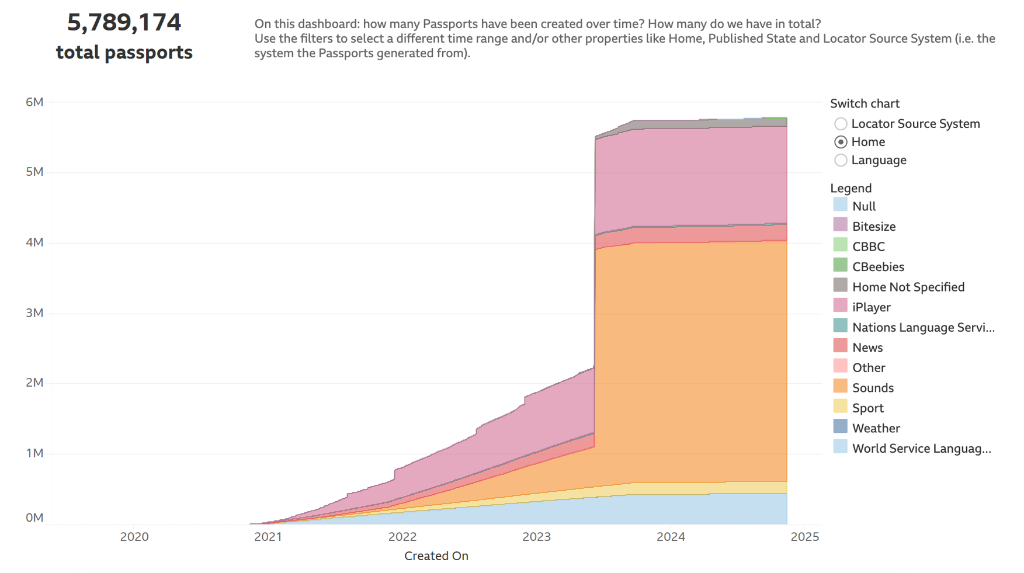
- The Problem: Decades of siloed departmental databases and clunky tagging tools meant BBC programmes were inconsistently described—crippling automated routing, archive search, and audience personalisation across 6M+ assets.
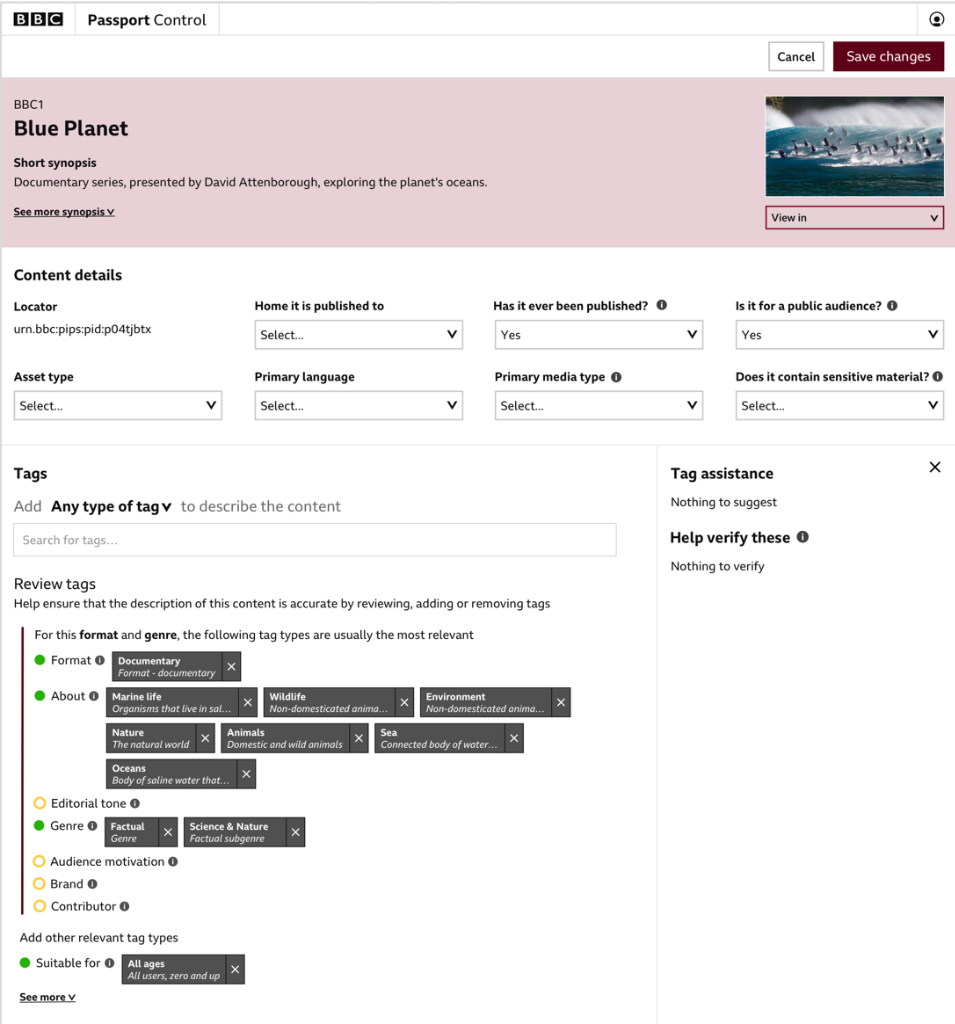
- The Architectural Move: Led the end-to-end service and UX transformation—partnering with ontologists and engineers to replace flat, chaotic tagging with a structured semantic model and fast, ergonomic editorial tools.
- The Impact: Unified core metadata governance across TV, radio, and digital workflows, aligning disparate BBC divisions and laying the structured data foundation for modern personalisation and AI.
The Surface Ask vs. The Systemic Reality
The Surface Ask
Replace ageing internal forms used by production and archive teams to log metadata for television and radio programmes.
The Systemic Reality
Redesigning a form doesn't fix broken data architecture. Across the BBC, every division used incompatible schemas and treated metadata as an administrative chore—starving audience products (iPlayer, Sounds, News) of the structured data needed for discovery.
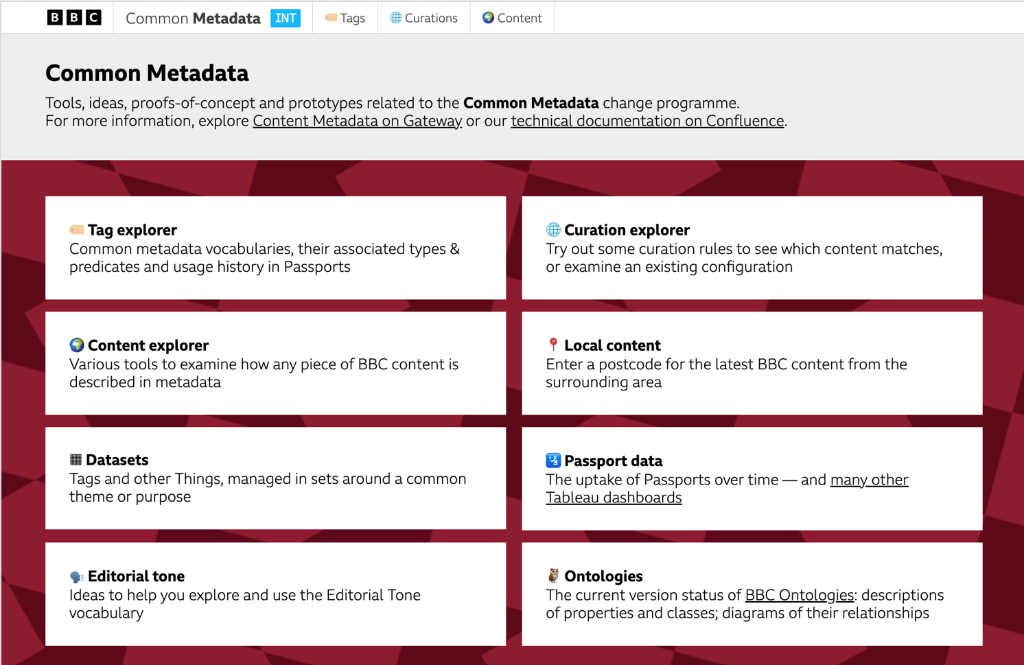
Key Architectural Bets
1. End-to-End Service Thinking (Backstage to Frontstage)
Mapped the full service blueprint across the BBC to make invisible dependencies visible—showing producers and executives exactly how a 5-second tagging decision in the studio directly powered audience recommendations on iPlayer.
2. Semantic Ontologies Over "Flat Tag" Chaos
A single unconstrained tag field quickly becomes an unusable junk drawer. Working with data architects, we broke flat tags into distinct semantic dimensions (*Genre*, *Format*, *Subject*, *Place*, *Contributor*) so machines and humans could query content with precision.
3. High-Speed Ergonomics for Time-Poor Producers
Editorial staff work against live broadcast deadlines. We designed progressive disclosure, smart programme inheritance, and keyboard-first taxonomy lookups that cut tagging effort while dramatically improving data quality.
4. Grassroots Change Management ("TagFest")
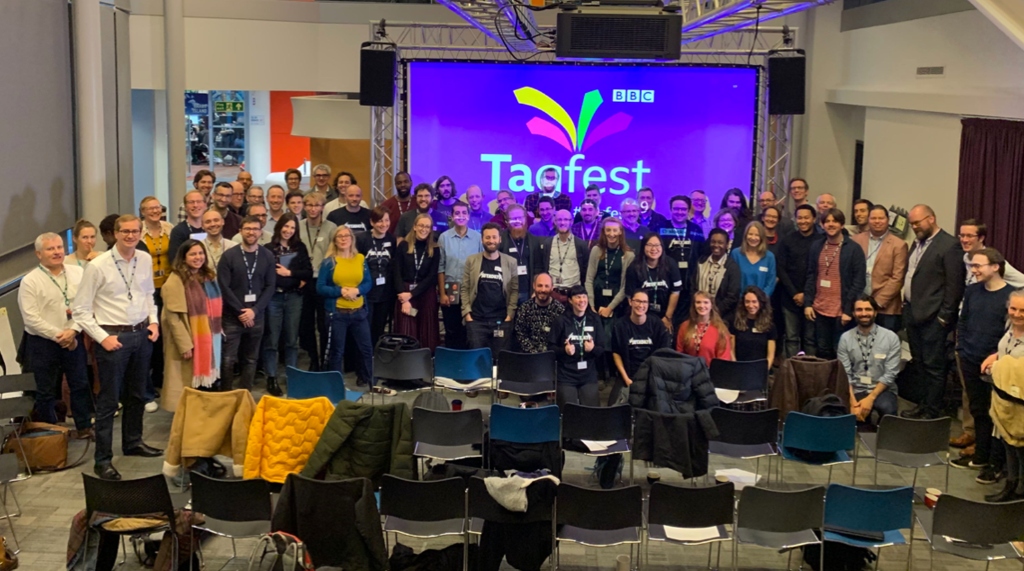
Enterprise transformations die when forced top-down. Alongside directing the design work, I embedded change management into our rollout—running massive cross-disciplinary "TagFest" co-design events that turned skeptical editorial teams into vocal champions.
Pivots & Hard Trade-Offs
From "Maximum Flexibility" to Opinionated Guardrails
Early iterations gave departments an ultra-flexible, impartial tagging model. In practice, too much freedom caused cognitive overload—two producers would tag the same documentary completely differently. We pivoted to opinionated, domain-specific sub-taxonomies that enforced semantic consistency.
Measuring Upstream Health Over Noisy Downstream Attribution
Tying backend metadata changes directly to consumer click-through rates is notoriously noisy due to scheduling and editorial variables. We anchored our KPIs on what we could prove directly: schema completeness, tagging speed, and cross-platform data adoption.
Systemic Impact & What Shipped
- Unified Schema Across 6M+ Assets: Delivered the core semantic tagging workflows and governance model connecting BBC production, archives, and audience platforms.
- Cultural & Service Shift at Scale: Aligned previously siloed engineering, taxonomy, and editorial departments around treating metadata as a core strategic asset.
- Foundation for Applied AI: Created the clean, structured ontology layer that made subsequent BBC machine-learning and automated tagging initiatives possible.