BBC R&D
Turning AI Research into Editorial Reality
Bridging machine learning and daily production—designing human-in-the-loop AI authoring tools and an adaptive playback framework across Web, Mobile, and TV.
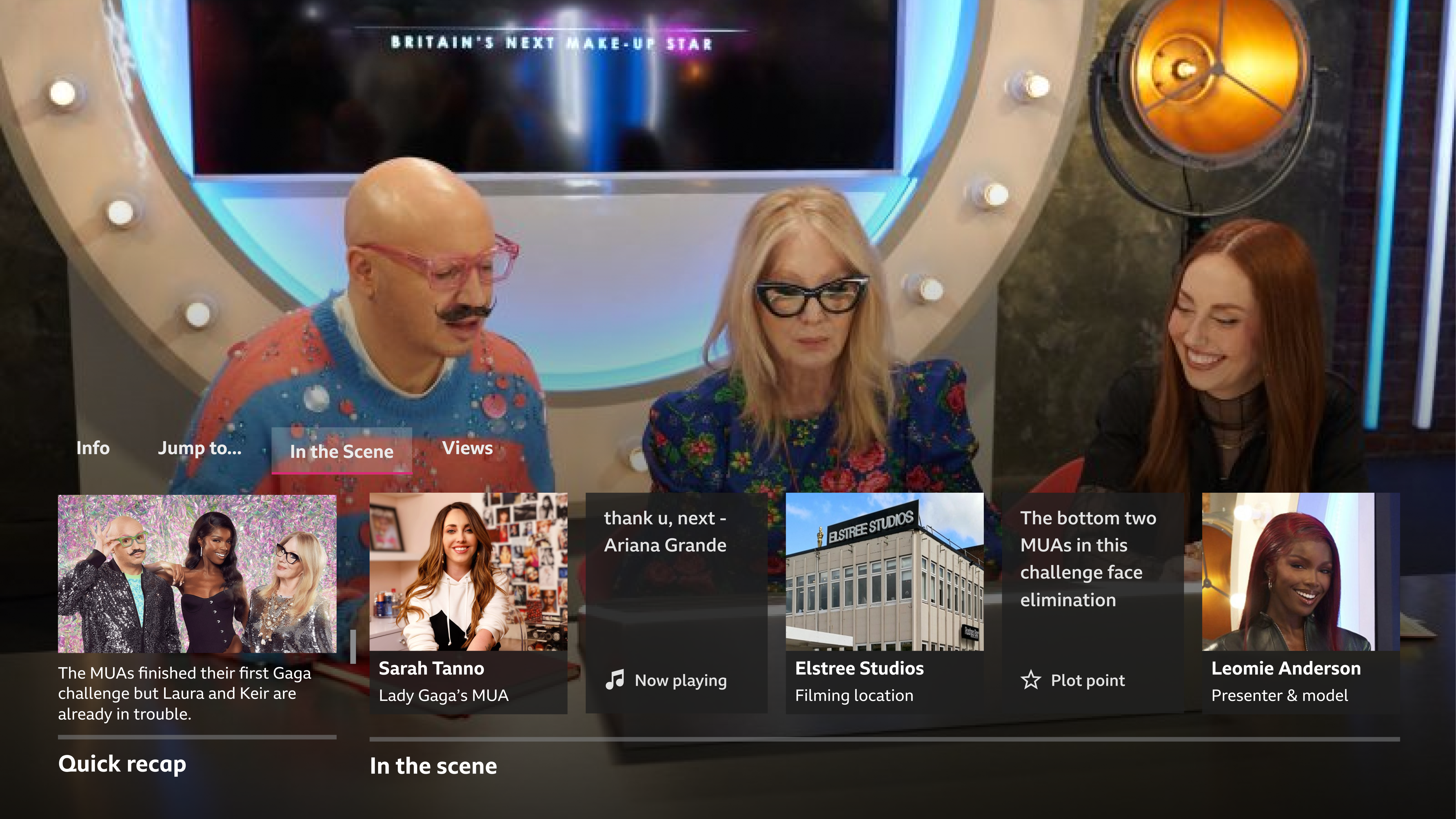
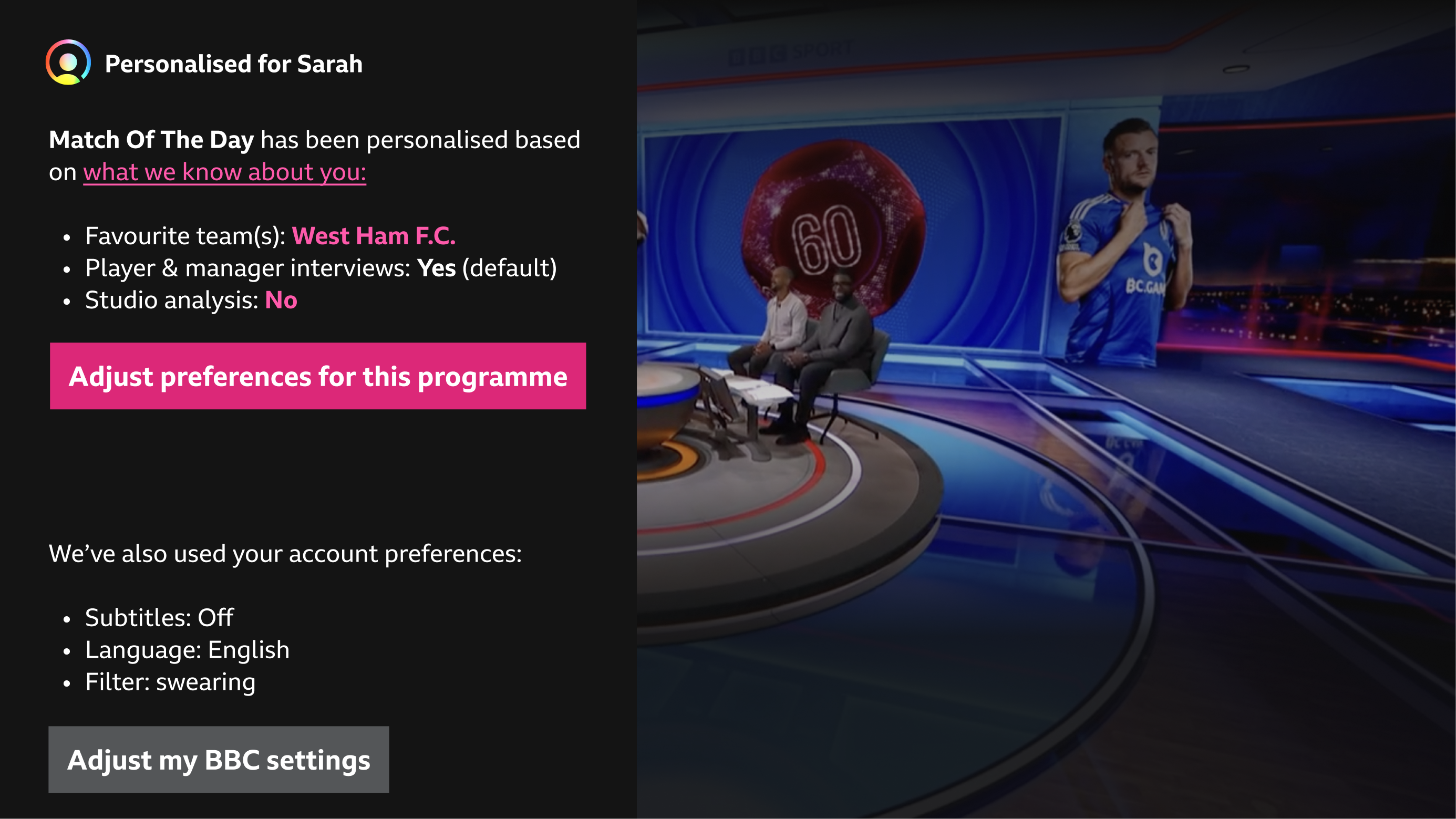
- The Problem: Audience teams wanted adaptive, personalised media experiences (like jumping straight to specific match highlights or podcast chapters), but editorial teams didn't have the time to manually tag granular time-coded metadata.
- The Architectural Move: Broke the "cold-start" deadlock by embedding speech-to-text and ML topic extraction directly into production authoring tools—letting editors verify AI-generated metadata in seconds rather than tagging from scratch.
- The Impact: Proved end-to-end feasibility across BBC iPlayer and BBC Sounds, shifting internal AI strategy from "autonomous black-box automation" to trusted human-in-the-loop editorial workflows.
The Surface Ask vs. The Systemic Reality
The Surface Ask
Explore next-generation "object-based" adaptive media experiences that adjust dynamically to user context, device, and time constraints.
The Systemic Reality
A classic chicken-and-egg deadlock. Consumer apps couldn't build adaptive playback because no structured, time-coded metadata existed; production teams refused to create that metadata manually because no live audience features used it yet.
Key Architectural Bets
1. Solving the Cold-Start Bottleneck Upstream
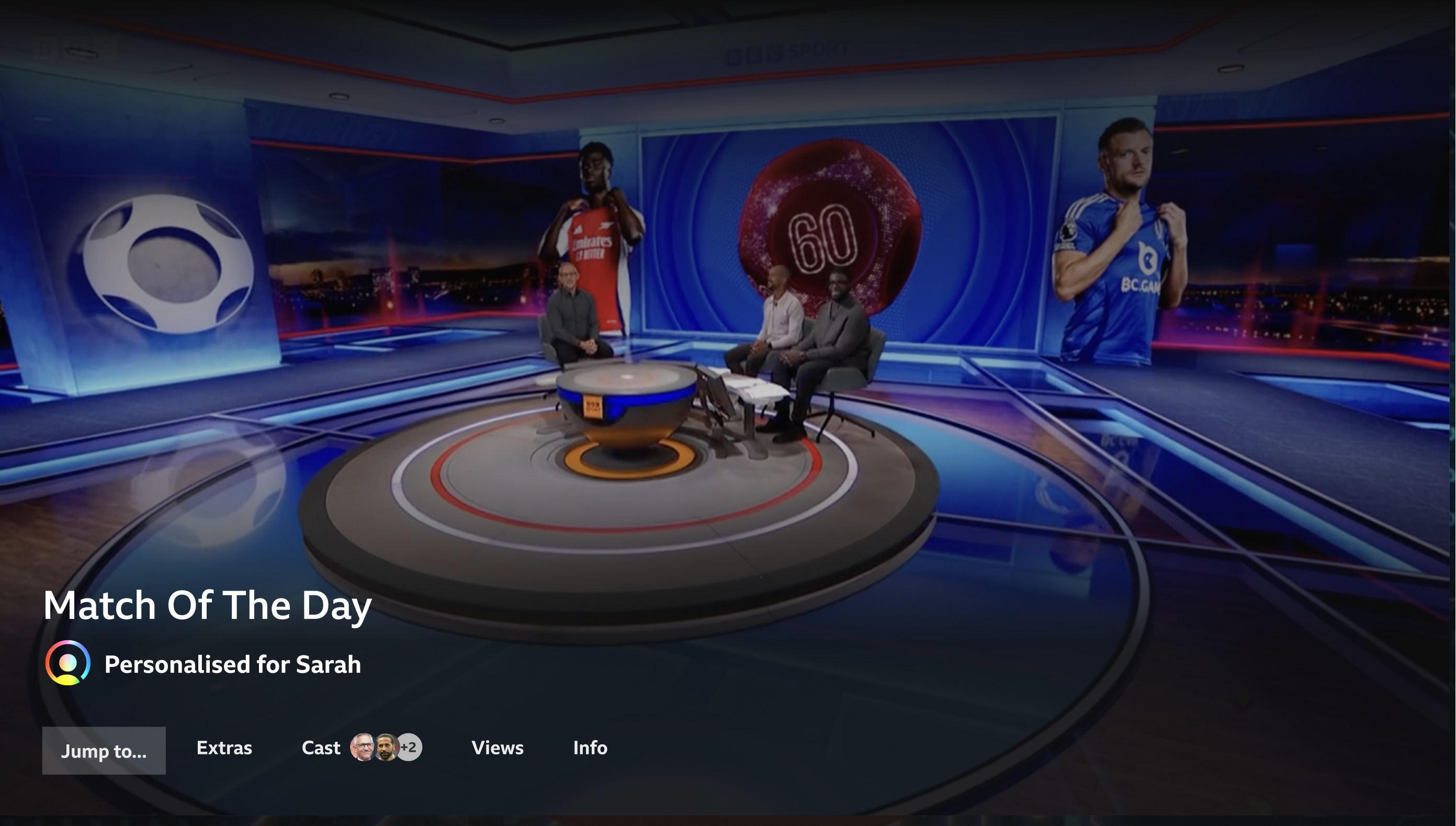
Instead of designing blue-sky consumer prototypes backed by fake data, I focused upstream on production tooling—giving editorial teams immediate value (automated transcript search and clip assembly) so structured metadata was generated as a free byproduct of their daily workflow.
2. Human-in-the-Loop AI Over "Black-Box" Automation
BBC editorial standards require strict accuracy. Rather than trying to make AI 100% autonomous, I designed fast "review-and-nudge" interfaces where journalists could validate or adjust AI-suggested chapter markers and topic tags in seconds.
3. Explicit Editorial Guardrails
Automated segmenting can accidentally cut across narrative context or sensitive news moments. I built clear rule sets and locked segment boundaries so producers always retained final editorial control over how a programme could be adapted downstream.
4. One Schema, Multi-Modal Experiences (TV, Web, Audio)
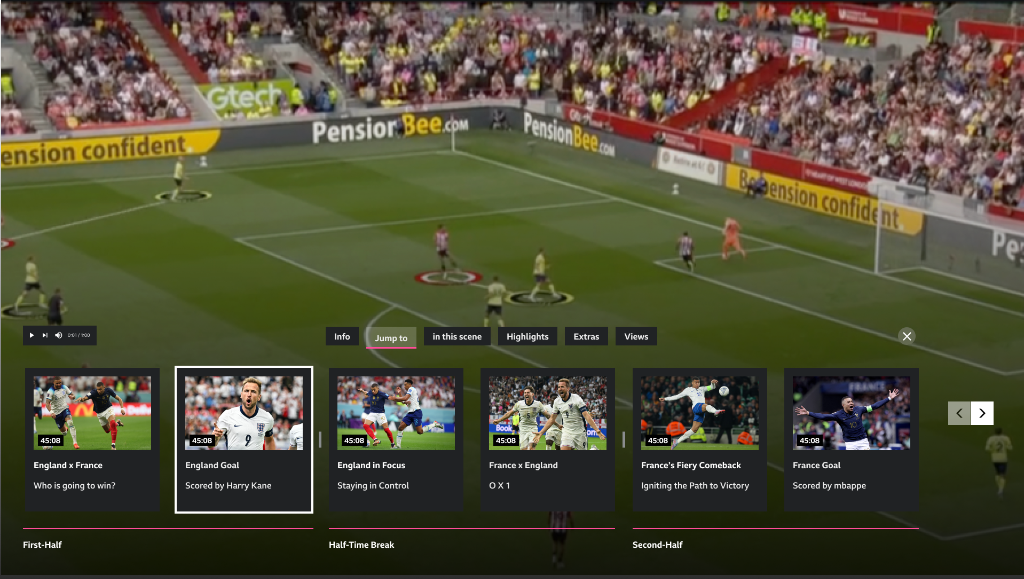
Designed a unified underlying segment model that powered radically different front-end experiences—from visual match-event scrubbing on BBC iPlayer (Connected TV) to time-compressed briefing modes on BBC Sounds (Mobile).
Pivots & Hard Trade-Offs
Dropping Forced Cross-Platform UI Parity
Early on, we tried to maintain a single unified UI pattern across TV, mobile, and web. Testing proved that 10-foot TV viewing (lean-back remote control) and mobile audio (on-the-go) had completely different cognitive ergonomics. We kept the underlying data schema unified while diverging the interaction models per platform.
Removing Conversational Prompt Bloat
When generative AI surged, there was temptation to bolt chat and prompt interfaces onto the authoring tool. I pushed back and stripped out conversational fluff—editors under deadline don't want to write prompts; they want structured, one-click suggestions embedded directly on their timeline.
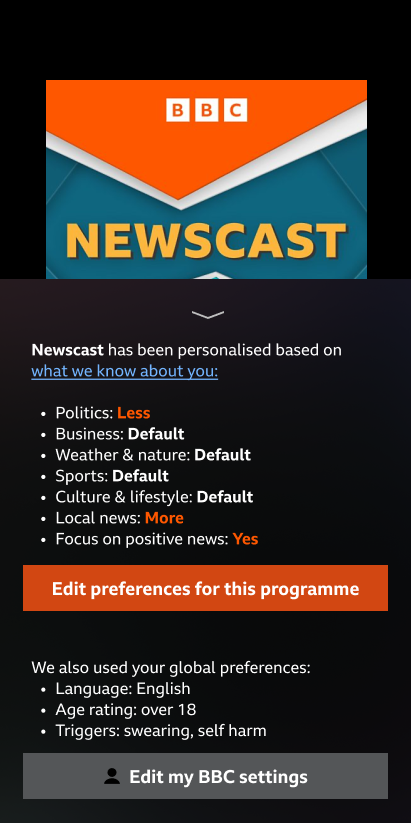

Systemic Impact & What Shipped
- Broke the Metadata Deadlock: Delivered working AI-assisted production tools that enabled editorial teams to generate structured, time-coded metadata immediately.
- Validated Cross-Platform Adaptive Playback: Shipped high-fidelity, data-driven prototypes across BBC iPlayer and BBC Sounds that proved audience appetite for granular chaptering and adaptive formats.
- Established BBC Human-in-the-Loop AI Patterns: Set the foundational UX patterns for how BBC editorial teams safely supervise, correct, and trust machine-learning outputs.