Modernising Elsevier’s API Experience for an AI‑Driven World
Elsevier
Where I Started
Elsevier’s API ecosystem was a patchwork of powerful but siloed endpoints. Credential management was manual. The portal was built on an old design system and felt like a relic. The team had been through multiple handovers and was exhausted — they just wanted the MVP out the door.
What Was Really Going On
APIs weren’t treated as products.
The taxonomy mirrored the org chart, not user workflows.
Strong personalities had entrenched opinions.
The dev team was battered from years of churn.
And the unspoken rule was:
“Don’t rock the boat — just ship the MVP.”
The brief said “design the future portal,” but the real job was to help a deeply technical organisation see beyond its own constraints.
If I accepted all the legacy constraints at face value, I’d be designing for a world that died ten years ago.
The Decisions That Shaped the Work
Choosing the new design system
A clean break from the legacy UI. It signalled that the portal deserved first‑class design, not leftovers.
Refusing the Swagger‑clone path
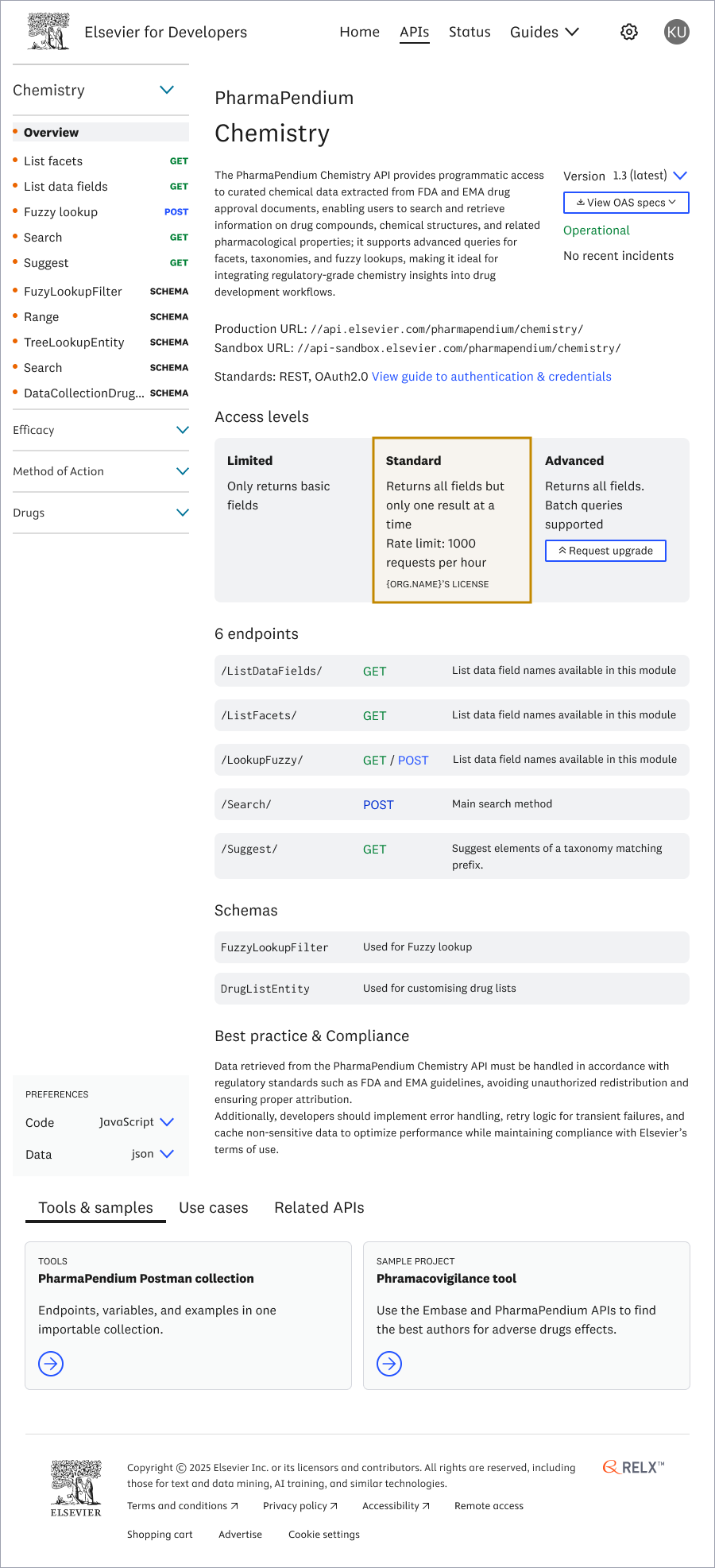
I optimised for newer, less formal developers — the ones who don’t want to read specs line‑by‑line. Seasoned devs would download the JSON anyway.
Designing for AI‑mediated workflows
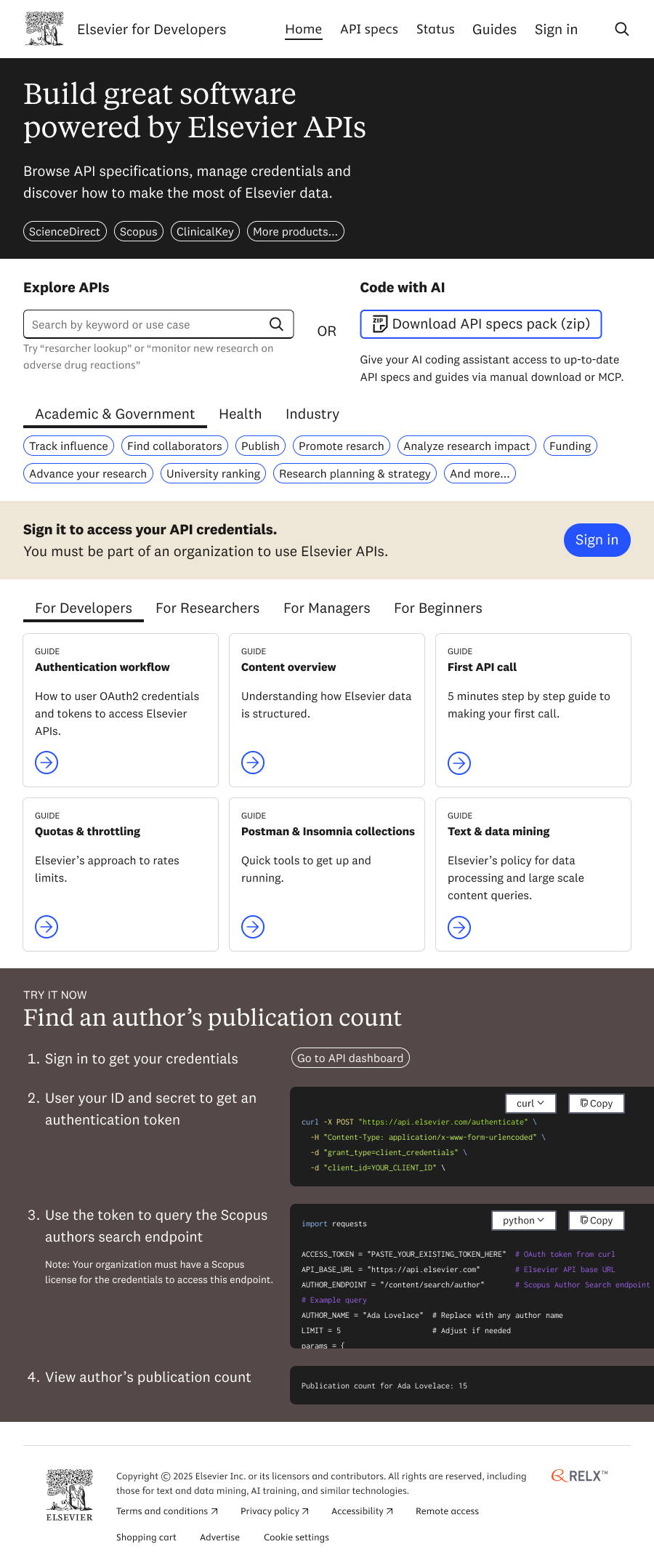
“Export this spec for my LLM” wasn’t in the brief.
It was the moment the portal stopped being a website and became a tool for the next generation of developers.
Keeping the MVP stable
The team needed a win, not disruption.
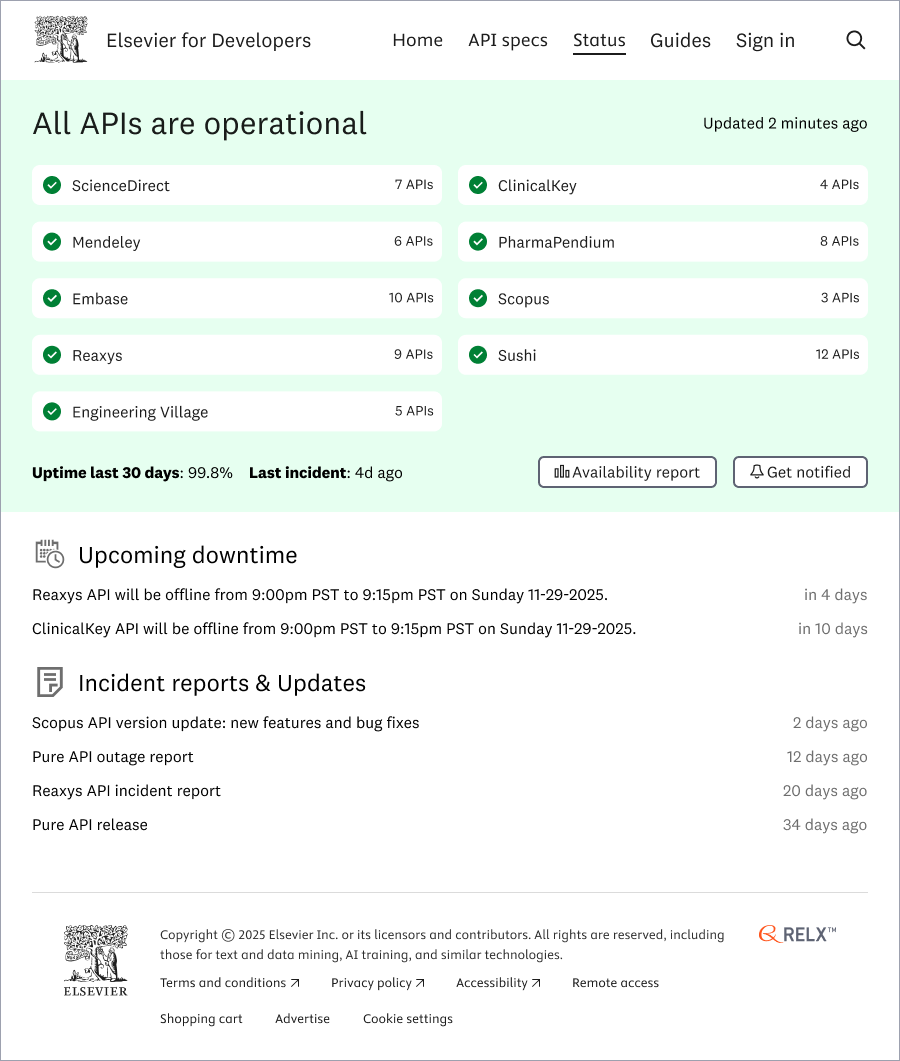
So I kept the MVP on the old design system and focused creativity on the future vision.
Pushing for density
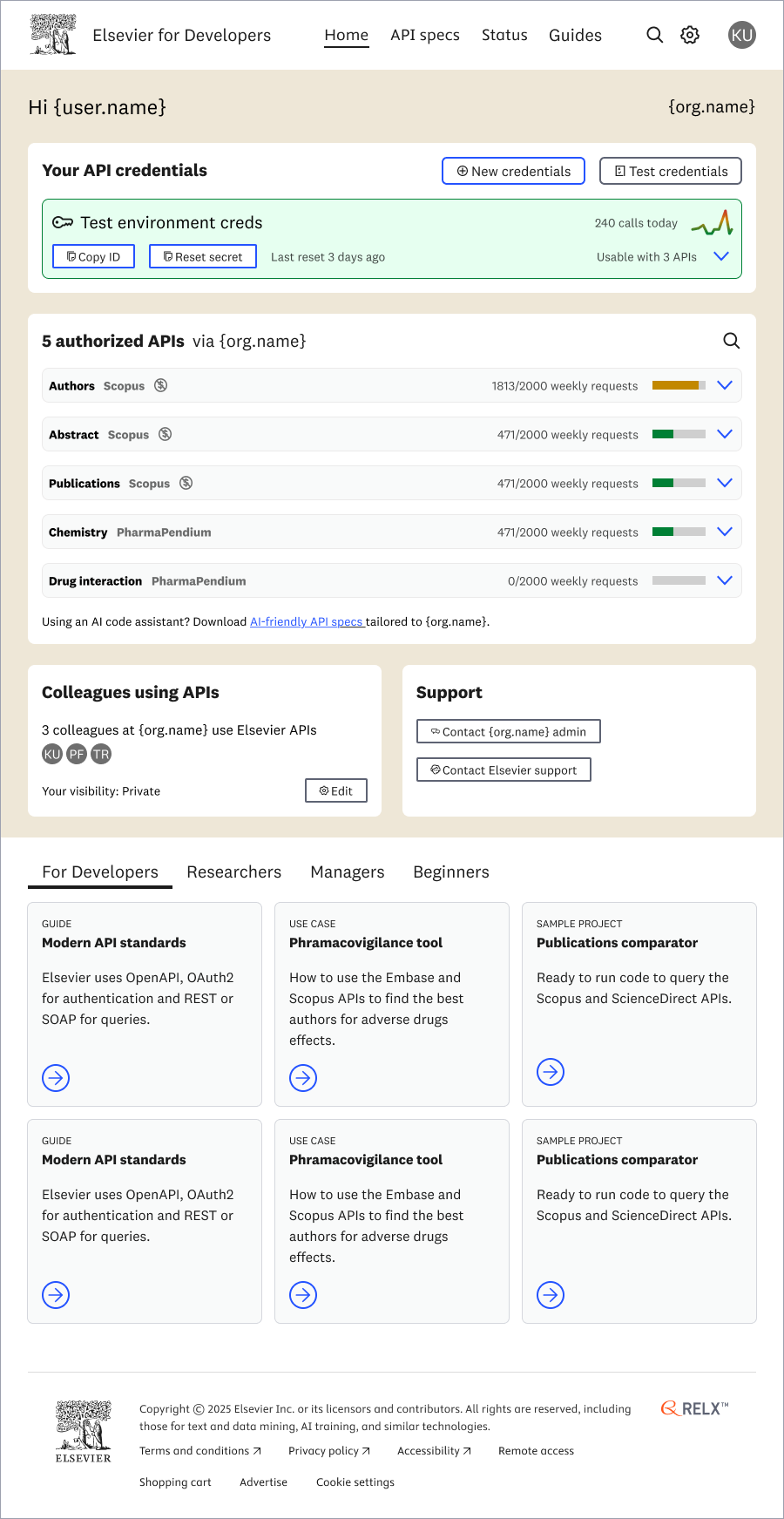
I stretched the design system to avoid endless scrolling and reduce cognitive load. Developers want to get in, get the data, and get out.
When Things Clicked
- The first dashboard prototype using the new design system — suddenly the portal felt modern and ambitious.
- A conversation with a strong‑opinion API expert reframed APIs as strategic assets, not endpoints.
- A user in testing saying:
“I never go to API specs — I just ask Copilot.”
That validated the entire AI‑first direction.
Where I Got It Wrong (and Fixed It)
Trying to reuse old designs before realising a clean break was needed.
Burning time fighting Figma Make — but learning how layouts broke under real content.
Taking expert opinions too literally before recognising their biases.
In the End, I Achieved…
- A future vision that made people say, “Wait, an API portal can actually be… good?”
- A re‑energised team that had been stuck in MVP purgatory.
- The beginning of a cultural shift toward treating APIs as first‑class products.
- A clearer direction for developer experience across Elsevier’s ecosystem.
- A reminder of the value of having a designer in the room — especially in neglected, technical spaces.